Looking for a low-fuss rental that attracts strong tenants and starts earning on day one? Marina del Rey condos can check those boxes if you choose the right building and run the numbers the right way. You want reliable demand, amenity appeal, and clear rules that support your plan. In this guide, you’ll learn how to evaluate “turnkey” condo investments in Marina del Rey, what rents and costs look like, and the due diligence steps that protect your return. Let’s dive in.
Why Marina del Rey works
Marina del Rey is a small coastal market with big tenant demand. The area’s marina lifestyle, proximity to Silicon Beach employment, and easy access to LAX draw working professionals and frequent travelers year-round. That demand shows up in rents and leasing velocity.
Data also shows a renter-heavy profile with small, higher-income households. The Marina del Rey CDP reports roughly 7.4% owner-occupied units, a median household income around $142,440, and an average household size of 1.71. These indicators point to consistent interest from singles and couples who value location and amenities. You can review those core stats on the U.S. Census QuickFacts page and learn more about the area’s origins and coastal appeal from Visit Marina del Rey.
Current prices and rents
Set expectations with ranges, not one headline number. Recent data sources show average home values around $1.34 million and median condo sale prices near $750,000 as of early 2026. Figures vary by provider and by whether you include waterfront, full-service towers, or smaller conversions.
On the income side, Marina del Rey is a high-rent micro-market. As of March 2026:
- Zumper’s rent research shows a median around $3,583 per month across property types, with 1-bedroom averages near $3,045 and 2-bedrooms around $3,800.
- Apartments.com market trends show similar strength, with one-bedrooms averaging about $3,588 and two-bedrooms about $4,639.
These rent levels can support respectable gross yields, but net returns depend on monthly carrying costs, especially HOA dues and any ground-lease fees.
What “turnkey” means here
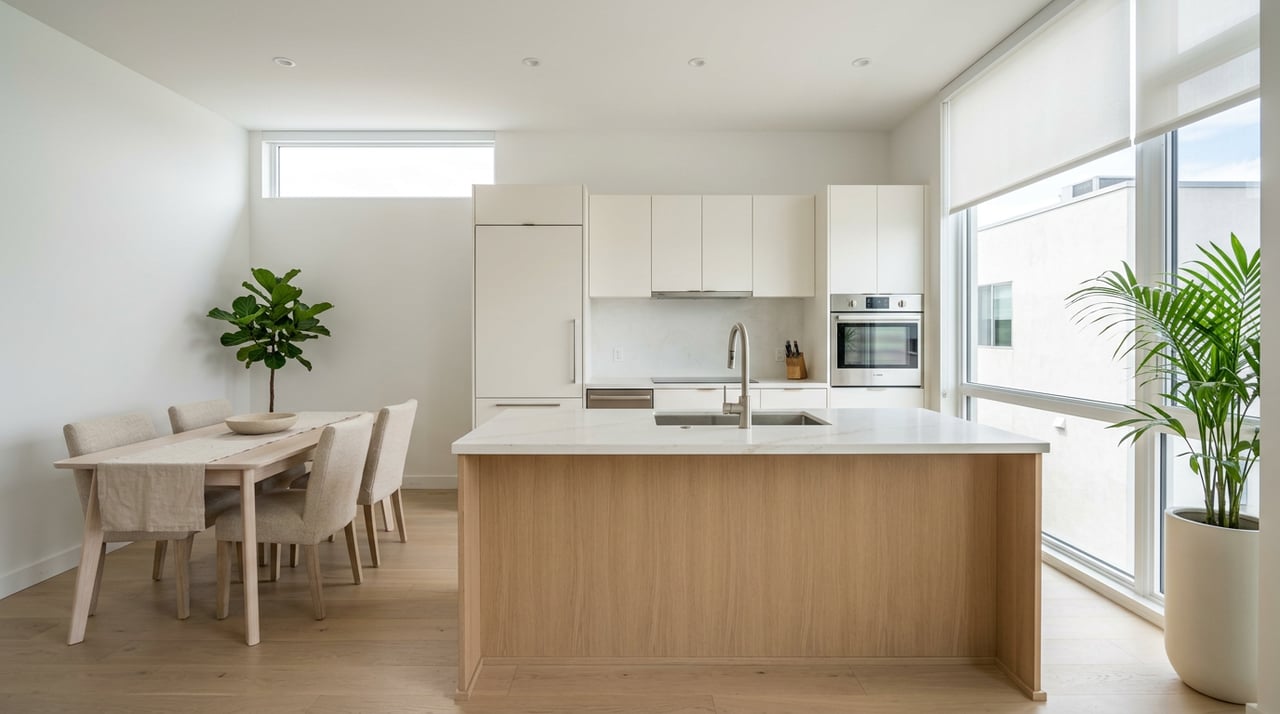
In Marina del Rey, “turnkey” usually describes a unit that is move-in ready, professionally managed, and positioned to lease quickly at market rates with minimal upfront work. Amenity-rich, full-service buildings can push that value further by appealing to corporate and relocation tenants who want convenience.
Many complexes offer large gyms, multiple pools, courts, valet or garage parking, and on-site services that give you a leasing edge. To see the scale of amenities some renters expect, review this example complex profile for Marina City Club. Keep in mind that higher service levels often mean higher monthly dues, and some projects sit on leased land, which adds a separate land-lease payment.
Numbers that matter: a quick yield check
Here is a simple illustration using recent local indicators:
- Sample purchase price: $750,000 (median-level reference).
- Sample 1-bedroom rent: $3,045 per month. Annual gross: $36,540. Gross yield: about 4.9%.
- Sample 2-bedroom rent: $3,800 per month. Annual gross: $45,600. Gross yield: about 6.1%.
Now layer in monthly carrying costs. In some Marina del Rey complexes, HOA dues plus ground-lease fees can range around $1,200 to $1,600 per month. Use a midpoint of $1,400 for illustration only:
- 1-bedroom example: $3,045 rent minus $1,400 dues/lease leaves $1,645 per month before taxes, insurance, management, vacancy, and maintenance. Annual pre-expense net: $19,740. Pre-expense yield on $750,000: about 2.6%.
- 2-bedroom example: $3,800 rent minus $1,400 dues/lease leaves $2,400 per month before other costs. Annual pre-expense net: $28,800. Pre-expense yield: about 3.8%.
The takeaway: HOA plus any ground rent is a major driver of net results. Always run a full pro forma that subtracts every recurring cost before deciding a condo is truly turnkey.
HOA dues and ground leases
Carrying costs in Marina del Rey can swing widely between buildings. Two points deserve your attention:
- Combine the numbers. Some projects have both an HOA and a separate ground-lease fee. Always total them when you evaluate monthly costs.
- Read the documents. Review CC&Rs, budgets, reserve studies, and any special-assessment history for signals that costs could rise.
If you are considering a land-lease building, request the lease document and confirm the monthly amount, how it escalates, and the expiration date. These details affect both cash flow and resale value.
Financing and warrantability
Condo financing is tied to the building, not just your borrower profile. Lenders look at project eligibility under Fannie Mae, Freddie Mac, or FHA standards. Factors like owner-occupancy levels, reserve funding, insurance, commercial space, special assessments, and litigation can all matter. You can review Fannie Mae’s project-standards overview in the Selling Guide.
Why this matters for you: if a project is non-warrantable, fewer buyers can get conventional loans, which can narrow your future resale pool. Confirm a project’s status with your lender early in the process.
Rules to know: rent caps and STRs
California’s Tenant Protection Act (AB 1482) caps most rent increases at the lesser of 5% plus regional CPI or 10% in any 12-month period and adds just-cause eviction standards. Check whether a specific condo is covered or exempt and follow notice rules. Read the statute summary on the California Legislature’s site.
HOA rental rules are shaped by AB 3182 (Civil Code 4741), which limits how strictly associations can cap rentals after purchase and allows HOAs to prohibit rentals of 30 days or less. Always verify the current CC&Rs and amendments. See the legislative text for AB 3182.
Short-term rental rules vary by jurisdiction. Portions of Marina del Rey fall within unincorporated Los Angeles County, where the STR program generally limits registrations to a host’s primary residence and sets a 90-night cap for un-hosted stays. Review the County’s STR program FAQ and confirm whether your target building and address fall under city or county rules.
Due diligence checklist
Use this quick list before you write an offer:
- Confirm jurisdiction. Parts of 90292 are in the City of Los Angeles and parts in unincorporated County. This affects STR rules and some services. Start with area context from Visit Marina del Rey.
- Request HOA documents. CC&Rs, rules, budgets, reserve studies, meeting minutes, recent assessments, insurance certificates, and any litigation disclosures.
- Verify rental rules. Look for any rental caps, lease-term minimums, subleasing rules, and guest policies. Cross-check with AB 3182.
- If on leased land, review the ground lease. Confirm monthly rent, escalation, and expiration.
- Ask your lender to check project eligibility. Identify any issues that could affect financing or resale.
- Pressure-test income. Ask a local property manager for rent comps, typical days to lease, and seasonal patterns.
- Build a conservative pro forma. Start with market rent, then subtract HOA plus any ground-lease fee, property taxes, insurance, professional management, maintenance reserves, and a vacancy factor.
Leasing strategies that fit the market
Your plan should match the building rules and tenant pool:
- Standard 12-month leases. Best for predictable cash flow and lower turnover.
- Corporate or furnished leases. Can support higher rents but may increase turnover and setup costs. Confirm HOA policies before furnishing.
- Avoid vacation-style listings unless you confirm eligibility. Many HOAs prohibit stays under 30 days, and unincorporated County rules limit STRs to primary residences with caps. Review the County’s STR FAQ and your CC&Rs.
Coastal risks and insurance
Waterfront living is a draw, but coastal hazards are real considerations. Ground-floor and waterfront units can face flood exposure, and insurers are watching sea-level trends closely. Los Angeles County maintains a coastal resilience program you can review for planning context. See the County’s overview of coastal resilience and sea-level rise. Factor insurance costs and potential risk mitigation into your underwriting.
How we help you buy turnkey
You want a smooth acquisition and a rental that performs. Our team focuses on coastal and Westside condos and understands the tradeoffs between amenity premiums and carrying costs. We help you:
- Target buildings with strong renter appeal and realistic net yields.
- Coordinate HOA and ground-lease document review so you know the true monthly numbers.
- Engage lenders early on project eligibility to protect financing and resale options.
- Validate rents and lease-up timelines with local property managers.
- Line up leasing partners and professional photography for faster market launch if you plan to rent furnished.
When you are ready, we will tailor a short list of opportunities that fit your return goals and risk tolerance.
Ready to explore Marina del Rey condos built for turnkey returns? Connect with Justin Dutchover Real Estate to get a curated plan, real numbers, and a confident path to closing.
FAQs
How do HOA and ground-lease fees affect condo returns in Marina del Rey?
- In some buildings, combined HOA plus land-lease fees can run roughly $1,200 to $1,600 per month, which can cut a gross yield by several points before taxes, insurance, management, vacancy, and maintenance.
Are short-term rentals allowed for Marina del Rey condos?
- Only if both your HOA allows it and the local jurisdiction’s rules permit it; unincorporated LA County generally limits STRs to a host’s primary residence with a 90-night cap for un-hosted stays as outlined in the County’s STR FAQ.
What does “turnkey” mean for Marina del Rey condos?
- Move-in-ready units in professionally managed, amenity-rich buildings that lease quickly at market rates with minimal immediate repairs or upgrades.
Can I finance a Marina del Rey condo as an investor?
- Often yes, but the building must meet project standards for conventional financing; ask your lender to review Fannie Mae project eligibility and flag any issues early.
Who are the typical renters for Marina del Rey condos?
- Mostly small households of professionals who value location and amenities, consistent with census data showing many renter households, higher incomes, and smaller household sizes.
What due diligence should I complete before offering?
- Confirm jurisdiction, review all HOA and land-lease documents, verify rental rules, check project warrantability with your lender, validate rent comps and leasing timelines, and run a full pro forma including every recurring expense.