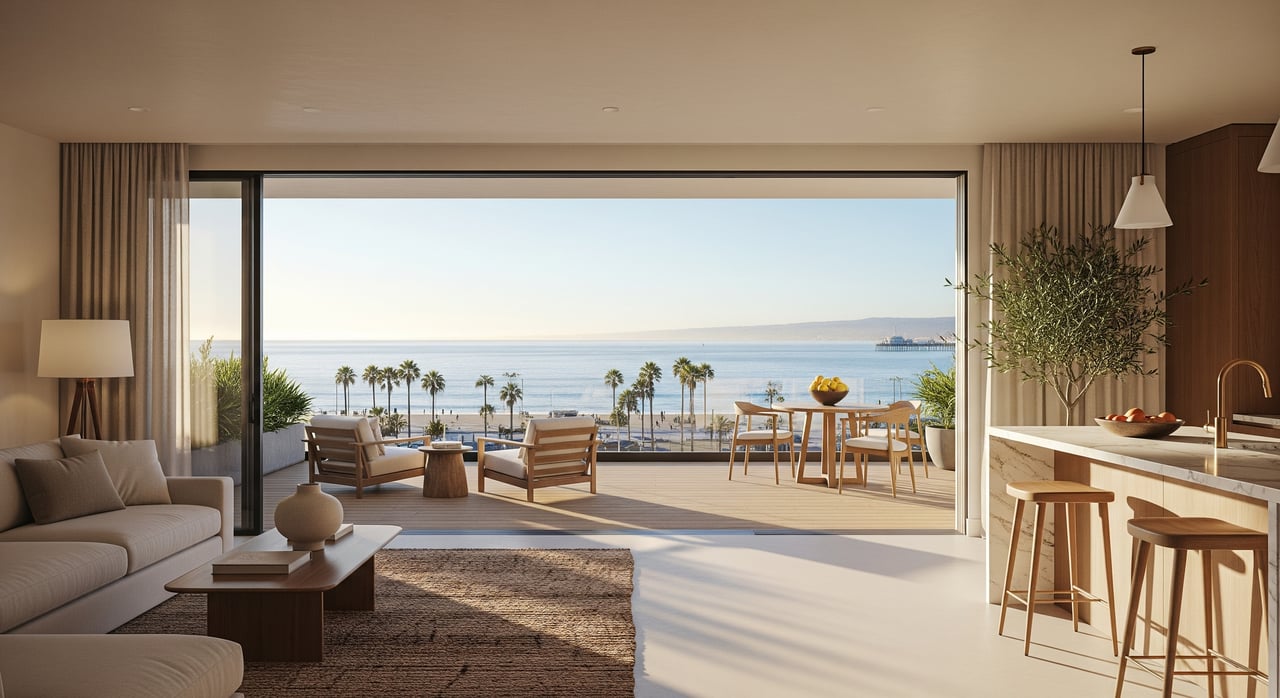
Thinking about a condo near the sand but not sure if Santa Monica or Venice is the better fit for you? You’re not alone. Both are iconic coastal markets with strong walkability and beach access, yet they differ in price bands, building types, HOA fees, and day-to-day lifestyle. In this guide, you’ll learn what your money typically buys in each area, how monthly costs stack up, and the practical tradeoffs to consider before you write an offer. Let’s dive in.
The short answer: who fits where
If you prefer full-service buildings, predictable operations, and easier parking, Santa Monica often suits you better. You’ll see higher average HOAs, but they typically cover more services in larger, professionally managed properties.
If you want an eclectic, creative vibe and a wider mix of boutique and character buildings, Venice may fit. Entry prices can be lower for older, smaller units, but HOA quality and parking vary more by building.
Price bands and what you get
Prices shift with the market, so treat these as approximate ranges and verify with current MLS data when you’re ready to buy.
Santa Monica price bands
- Entry level, roughly $700,000 to $1.1 million: Small 1-bed or studio units in older mid-rise buildings or condo complexes off main corridors, usually with assigned parking.
- Mid range, roughly $1.1 million to $2.5 million: Well-kept 1–2 bedroom condos, sometimes in full-service properties. Proximity to Downtown or Montana Avenue pushes pricing up.
- Luxury, roughly $2.5 million to $10 million+: Ocean Avenue towers, penthouses, and large floor plans with high-end finishes and comprehensive amenities.
Venice price bands
- Entry level, roughly $600,000 to $950,000: Small 1-bed units in older walk-ups or condo conversions, parking may be tandem or street.
- Mid range, roughly $950,000 to $1.8 million: Larger 1–2 bedroom condos, updated units, boutique new builds near Abbot Kinney or close to the beach, sometimes townhome-style.
- Luxury, roughly $1.8 million to $5 million+: Beachfront, expansive lofts, and architect-led or newer luxury developments. Premium locations include the Boardwalk, canals, and Abbot Kinney corridors.
Why ranges overlap: some newer Venice projects compete at Santa Monica price points because of proximity to the sand and Westside job centers. At the same time, smaller older Venice buildings can be more affordable than many Santa Monica starters.
HOA fees and monthly operating costs
HOA fees vary widely based on building age, amenities, staffing, and reserve funding.
- Typical monthly HOA ranges: about $200–$600 on the low end, $600–$1,200 mid range, and $1,200–$3,500+ for full-service luxury buildings.
- Santa Monica often skews higher in the mid to luxury tiers because of larger buildings with concierge, on-site management, gyms, pools, and structured parking.
- Venice has more small, older buildings with lower flat fees, yet high-end projects are comparable to Santa Monica’s top tier.
What HOAs usually cover: water, trash, common area maintenance, exterior master insurance, elevator upkeep, building staff, and reserves. What they often do not cover: your interior HO-6 insurance, electricity and gas, internet, and sometimes parking. Always review what’s included to compare apples to apples.
Reserves and special assessments: older, small Venice buildings may carry higher risk of special assessments for seismic retrofits or systems upgrades if reserves are underfunded. Many larger Santa Monica associations complete regular reserve studies and bake long-term costs into higher monthly dues, which can make costs more predictable.
Property tax: LA County’s base rate is roughly 1.0 percent of assessed value plus local assessments, with a typical effective range around 1.1 to 1.3 percent. You can review process and parcel guidance with the LA County Assessor and the Treasurer and Tax Collector.
Insurance and utilities: budget for HO-6 condo insurance, which varies by coverage, and for electricity, gas, and internet if not included in the HOA. Street parking permits or guest parking constraints can add costs in beach-adjacent zones.
Building styles and amenities
Santa Monica: full-service choices
You’ll find many larger mid-rise and high-rise buildings, plus planned developments with on-site management. Amenities often include concierge, fitness centers, pools, event rooms, and subterranean parking. Older garden-style complexes also exist in quieter residential pockets, giving you more variety in size and services.
Lifestyle implications: access to large grocery stores, full-service restaurants, theaters, and shopping is straightforward, especially near Downtown and Montana Avenue. Larger buildings and structured parking can reduce day-to-day friction for commuting and guests.
Venice: eclectic and boutique
Venice offers a patchwork of creative loft conversions, small 2–4 unit buildings, historic cottage conversions, and contemporary boutique projects. Newer luxury developments near Abbot Kinney and along oceanfront areas deliver high-end amenities, though they are fewer in number than in Santa Monica.
Lifestyle implications: you get an independent, eclectic neighborhood feel with galleries, shops, and the Boardwalk culture. Many properties deliver a “beach bungalow” vibe, though parking setups and building services vary widely.
Walkability, transit, and beach access
Both areas rate very high for walkability and biking culture. For a quick sense of how errands and commutes line up, explore neighborhood walkability on Walk Score.
- Transit: Santa Monica offers local bus service and the E Line rail connection toward downtown Los Angeles, which can reduce car dependence. Venice has multiple bus routes and shuttles, but fewer direct rail options.
- Beach access: Santa Monica has wide beaches, formal access points, the Pier, and city-run facilities like parking structures and public restrooms. Venice features the iconic Boardwalk, canals, and narrower walkways in some areas, with higher tourist traffic near the oceanfront.
- Parking: Santa Monica’s public parking supply is relatively robust in commercial cores, while Venice tends to be tighter near the Boardwalk. Street-parking rules and guest parking policies matter when comparing buildings.
Local rules that affect living and renting
City oversight and permitting
Santa Monica is an incorporated city with its own planning, parking, and enforcement programs. For policies and public services, start with the City of Santa Monica. Venice is part of the City of Los Angeles and follows citywide zoning and coastal rules, along with neighborhood-specific plans, which you can explore via Los Angeles City Planning.
Short-term rental basics
Both jurisdictions enforce short-term rental rules and registration. Santa Monica is known for stricter oversight. Always confirm HOA rental rules and city registrations before assuming any rental strategy. You can review policies and updates through the City of Santa Monica and the resources at Los Angeles City Planning.
Buyer checklist for Santa Monica and Venice condos
Use this quick list to compare buildings side by side and avoid surprises.
- HOA and reserves: What does the monthly fee include, and when was the last reserve study? Ask for the current budget and recent meeting minutes. Any special assessments planned or recently approved?
- Building condition: Year built, last major upgrades, seismic retrofits, roof, plumbing, and electrical updates.
- Parking and storage: Is parking assigned or deeded? Any tandem spaces, EV charging options, or storage lockers?
- Insurance and liability: What does the master policy cover, and what requires your HO-6 policy? Ask about earthquake coverage options and deductibles.
- Rentals and restrictions: Owner-occupancy rules, rental caps, and short-term rental limitations at the city and HOA level.
- Monthly cost model: Add mortgage principal and interest, HOA dues, property taxes, HO-6 insurance, utilities, plus a maintenance buffer. For older buildings, set aside 10–15 percent above HOA dues for unexpected costs.
- Lifestyle fit: Decide how much you value on-site staff, elevators, pool and gym access, and transit proximity, compared to a boutique or character property experience.
How to choose with confidence
If you want predictability, on-site services, and reliable parking, Santa Monica’s full-service buildings can simplify daily life. You’ll likely pay higher HOAs, but more costs are built into those dues. If you want a creative, eclectic neighborhood feel and potentially lower entry pricing for smaller units, Venice offers character-rich options and boutique living, with more variability in HOA reserves and parking.
Focus on the building as much as the address. A well-run HOA with strong reserves can be more cost-effective over time than a low-fee building that faces frequent special assessments. Combine that with your lifestyle priorities, then compare specific properties side by side.
Ready to explore the best options for your budget and goals along LA’s coast? Reach out to Justin Dutchover Real Estate for local guidance, curated listings, and a plan tailored to your timeline.
FAQs
What are typical HOA fees for Santa Monica or Venice condos?
- Expect roughly $200–$600 for small buildings, $600–$1,200 for mid-range amenities, and $1,200–$3,500+ for full-service luxury, depending on age, services, and reserves.
How do property taxes work for Los Angeles County condos?
- The base rate is about 1.0 percent of assessed value plus local assessments, typically 1.1–1.3 percent effective; see the LA County Assessor for guidance.
Are short-term rentals allowed in Santa Monica or Venice condos?
- Both jurisdictions enforce STR rules and registrations, and HOA rules vary; check the City of Santa Monica and Los Angeles City Planning plus your HOA bylaws.
Which area has better transit access without a car?
- Santa Monica offers robust bus service and the E Line rail connection toward downtown, while Venice relies more on bus routes and local shuttles for most trips.
What should I review before making an offer on a condo?
- Request HOA budgets, reserve studies, and meeting minutes, verify parking and storage, confirm rental rules, and model monthly costs including HOA, taxes, insurance, and utilities.